The Perfect European Weekend for Under €300
How to plan a beautiful European city break for under €300, with a real budget, booking tips and the best-value cities.
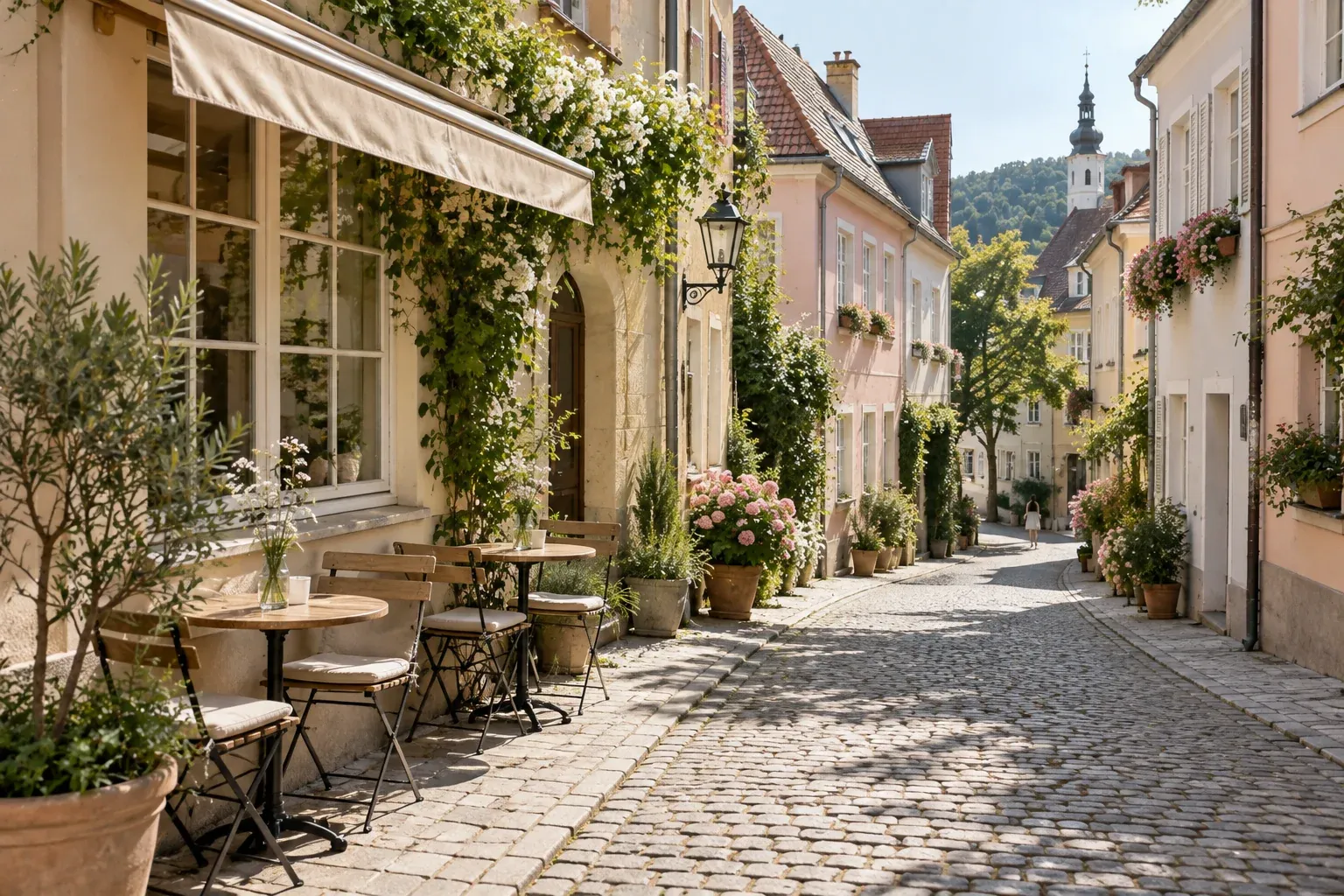
A long weekend in a new city does not have to cost a fortune. With a little planning, a cheap weekend getaway in Europe for under €300, including flights, accommodation, food and sightseeing, is completely realistic. Here is exactly how to do it.
Prices change all the time, so treat the numbers below as a guide rather than a promise.
Why a cheap weekend getaway in Europe is easier than you think
Europe is compact, well connected and full of low-cost airlines, fast trains and long-distance buses. Many beautiful cities are only one to three hours apart, so a long weekend gives you plenty of time to explore without paying for long-haul flights. The trick is knowing where your money goes, and where it doesn’t need to.
Step 1: Be flexible with dates
Flexibility is the biggest money saver of all.
- Travel outside peak season. Late fall, winter (except holidays) and early spring are much cheaper than summer.
- Fly on quieter days. Thursday to Sunday is popular; Friday to Monday or Saturday to Tuesday is often cheaper.
- Use flexible date searches on flight comparison sites to see the cheapest days of the month at a glance.
- Set price alerts and book when you see a good fare, usually one to three months ahead for short-haul flights.
Step 2: Choose a budget-friendly city
Some cities give you far more for your money. These are often good value for a European city break on a budget:
- Lisbon and Porto, Portugal: pastries, viewpoints and trams at reasonable prices.
- Budapest, Hungary: thermal baths, grand architecture and affordable food.
- Kraków, Poland: a beautiful old town and very good value.
- Prague, Czech Republic: best outside summer weekends.
- Seville and Valencia, Spain: sunny, walkable and generous with tapas.
- Ljubljana, Slovenia: small, green and calm.
Choose a city with a direct, low-cost flight from your nearest airport and the trip becomes easy.
Step 3: Pack light and skip the fees
Budget airlines make their money on extras. Traveling with just a small under-seat bag can save you €40–100 return. Our carry-on packing list shows how to fit a long weekend into one small bag.
Also check in online, bring a refillable water bottle and choose your own seat only if you really need to.
Step 4: Stay smart
- Book central. Saving €15 a night on a place far out often costs more in transport and time.
- Compare hotels, guesthouses and apartments. For one or two people, small hotels and guesthouses are often cheaper than apartments once cleaning fees are added.
- Look for breakfast included. It saves money and time every morning.
- Consider well-reviewed hostels with private rooms for a budget option with more character.
Step 5: Eat like a local
- Have your main meal at lunch, when many restaurants offer a fixed-price menu.
- Visit markets and bakeries for picnic lunches.
- Walk a few streets away from the main square for better prices and better food.
- Try one special dinner rather than eating out expensively every night.
Step 6: Plan free and cheap things to do
Most European cities are full of beautiful things that cost nothing: viewpoints, parks, churches, markets, street art and long walks through old neighborhoods. Many museums have one free day or evening a month. Free walking tours (tip-based) are a great first-day introduction to a city.
A sample €300 weekend budget
| Item | Approximate cost |
|---|---|
| Return flight (no checked bag) | €60–120 |
| Two nights in a central guesthouse | €80–120 |
| Food and coffee | €60–80 |
| Local transport | €10–20 |
| Museums and activities | €15–30 |
| Total | €225–370 |
Choose the cheaper end of each range and you’ll come in under €300 in many cities, especially outside peak season.
Money-saving apps and tools
- Flight comparison sites with flexible date calendars and price alerts.
- Offline maps so you don’t need roaming data.
- Public transport apps for the city you’re visiting.
- A travel-friendly bank card with no foreign transaction fees.
- City passes, but only if you plan to visit enough paid attractions to make them worth it.
Trains and buses: the slower, cheaper alternative
If you live in mainland Europe, don’t overlook trains and long-distance buses. They take you from city center to city center, often have generous luggage allowances and can be very cheap when booked early. Overnight trains save the cost of one night’s accommodation too.
A sample 3-day itinerary
Day 1: Arrive, drop your bag and take a free walking tour. Dinner somewhere local, then a sunset viewpoint. Day 2: Morning market and coffee, one major museum or sight, a long lunch, an afternoon wandering a neighborhood, an evening at a wine bar. Day 3: A slow breakfast, a park or riverside walk, last souvenirs from the market, then the airport.
Leave one afternoon completely empty. Some of the best travel memories come from the hours you didn’t plan.
Frequently asked questions
What is the cheapest month to visit Europe?
Usually January to early March and November, excluding holidays. Flights and hotels are often at their lowest.
How far ahead should I book flights?
For short-haul European flights, one to three months ahead is often a good window. Set alerts and book when you see a fare you are happy with.
Is it cheaper to travel alone or with a friend?
Accommodation is cheaper when shared. If you are traveling alone, guesthouses and hostels with private rooms help, and our solo female travel tips will help you feel confident.
The takeaway
A beautiful European weekend is often closer and cheaper than you think. Stay flexible with dates, pack light, book central, eat where locals eat and fill your days with free beauty. Your next city break could be booked tonight.
You might also love
 Winter
Cozy Winter Getaways in the US: 10 Charming Towns to Visit
Snow-dusted main streets, crackling fireplaces and a little winter sun: ten charming US towns for the coziest weekend away.
Read the story
Solo Female Travel: 15 Safety Tips I Swear By
Practical, calm advice for traveling alone as a woman: before you go, where to stay, getting around and staying confident.
Read the story