Slow Living: 10 Small Ways to Make Your Days Feel Softer
Ten small, realistic ways to slow down and feel more present, no farmhouse required.
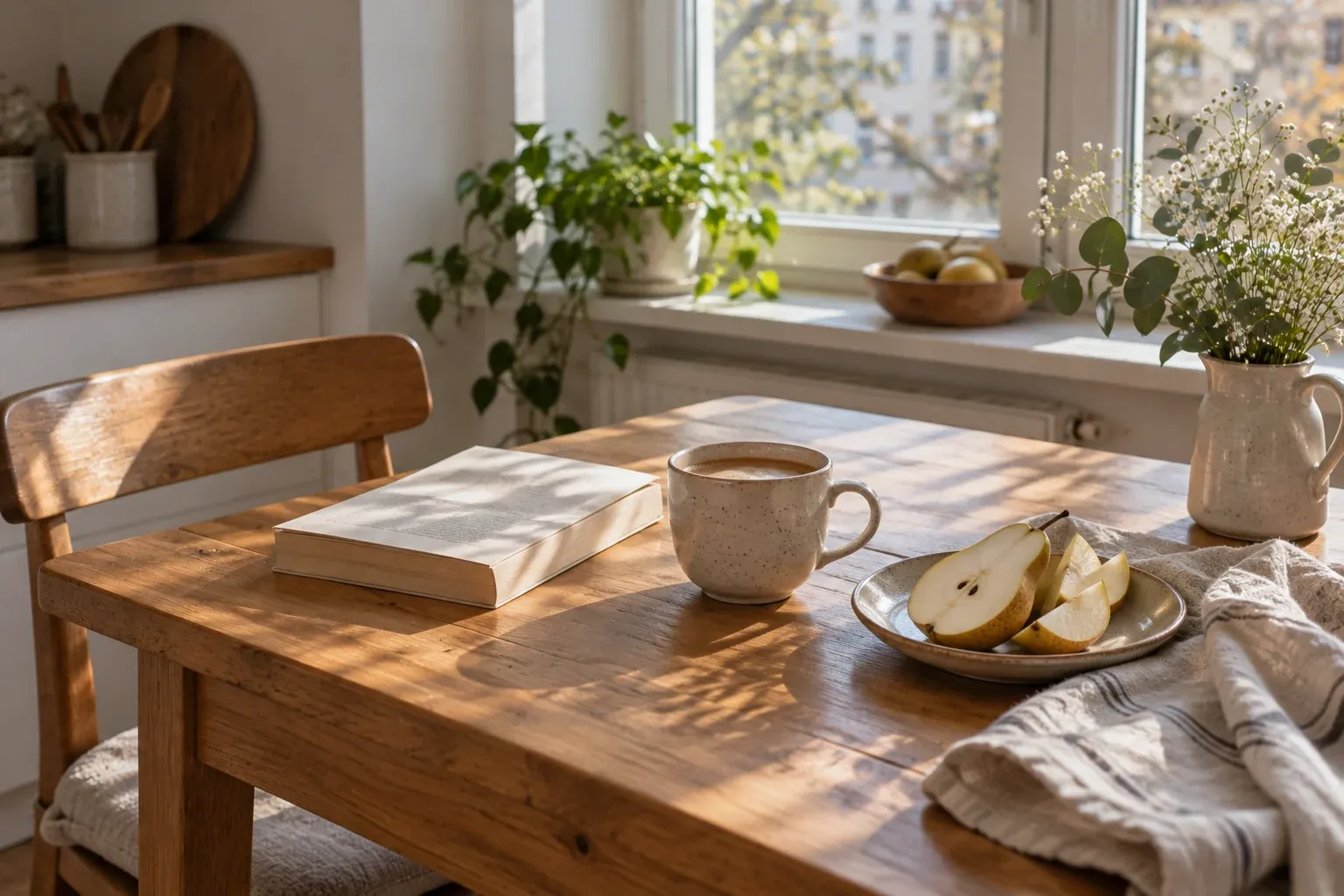
Do your days disappear in a blur of notifications, to-do lists and rushing from one thing to the next? Slow living is a gentle answer. It isn’t about moving to the countryside or baking your own bread (although you can). It’s about doing fewer things, with more attention and more joy.
Here’s what slow living really means and ten small ways to bring it into an ordinary, busy life.
What is slow living?
Slow living is a lifestyle of doing things at the right speed rather than the fastest one. It grew partly from the Slow Food movement, founded in Italy in 1986, which encouraged people to enjoy local, unhurried meals instead of fast food. Today it describes a broader approach: choosing quality over quantity, presence over productivity and enough over more.
Slow living isn’t doing everything slowly. It’s doing things on purpose.
10 slow living ideas for a busy life
1. Start the morning before the phone
Give yourself the first 15–30 minutes of the day without a screen. Open the curtains, drink a glass of water, make your coffee slowly. You set your own tone before the world sets it for you.
2. Do one thing at a time
Multitasking feels efficient but often makes us slower and more stressed. Try single-tasking: eat without scrolling, listen without checking your phone, finish one task before starting the next.
3. Make one meal a day a ritual
Set the table, light a candle, eat sitting down. Even a simple bowl of soup feels different when it’s not eaten standing at the counter.
4. Walk without a goal
A short walk without headphones, steps targets or errands is one of the easiest ways to slow down. Notice the trees, the light, the smell after rain.
5. Say no more often
Every yes uses time and energy. Before committing, ask: “Would I say yes if it were tomorrow?” If not, it’s okay to decline.
6. Create a calm corner at home
A chair by the window, a soft throw, a lamp and a few books. A place that invites you to sit still is a quiet reminder to do so.
7. Buy less, choose better
Slow living extends to what we own. Choose fewer, better things you truly love. A capsule wardrobe is a beautiful place to start.
8. Bring back analogue hobbies
Knitting, gardening, painting, reading paper books, baking, journaling. Hobbies that use your hands quiet a busy mind.
9. Leave white space in your calendar
Not every free hour needs filling. Block one evening a week and one weekend afternoon with nothing planned and protect it like an appointment.
10. Close the day gently
A short evening ritual tells your body the day is done: dim lights, tidy for ten minutes, write three good things that happened. Our evening routine for better sleep has more ideas.
Slow living with kids and a full-time job
Slow living doesn’t require free time you don’t have. It’s in small choices:
- walking to school without rushing, even if it means leaving five minutes earlier
- one screen-free family meal a week
- letting weekends have one plan instead of four
- noticing small joys together: puddles, clouds, the first strawberries
A slow living morning routine
- Wake up at the same time and open the curtains.
- Drink a glass of water before coffee.
- Make your coffee or tea slowly and drink it sitting down.
- Stretch for one song or step outside for a few breaths of fresh air.
- Write three lines: how you feel, one intention and one thing you’re grateful for.
- Only then, check your phone.
Even ten minutes of this changes the tone of the day.
Slow living at home
- Keep surfaces clear so your home feels calm.
- Choose natural textures: linen, wool, wood and ceramics.
- Use warm, low lighting in the evening.
- Bring nature inside with plants and seasonal flowers.
- Create small rituals, such as lighting a candle at dinner.
Benefits of slowing down
Many people who try slow living notice:
- less stress and decision fatigue
- deeper relationships and more presence with loved ones
- spending less money
- more energy for what truly matters
Frequently asked questions
Is slow living the same as minimalism?
They overlap but aren’t the same. Minimalism focuses on owning less; slow living focuses on how you spend your time and attention.
How do I start slow living?
Pick one idea from this list and practice it for two weeks. Small habits are easier to keep than big lifestyle changes.
Can you live slowly in a city?
Yes. Slow living is about your pace and attention, not your postcode.
The takeaway
Slow living isn’t another goal to achieve perfectly. It’s an invitation to notice your life while you’re living it. Choose one small ritual, protect a little white space and let your days feel a bit softer. A weekly Sunday reset is a lovely way to begin.
You might also love
 Fall
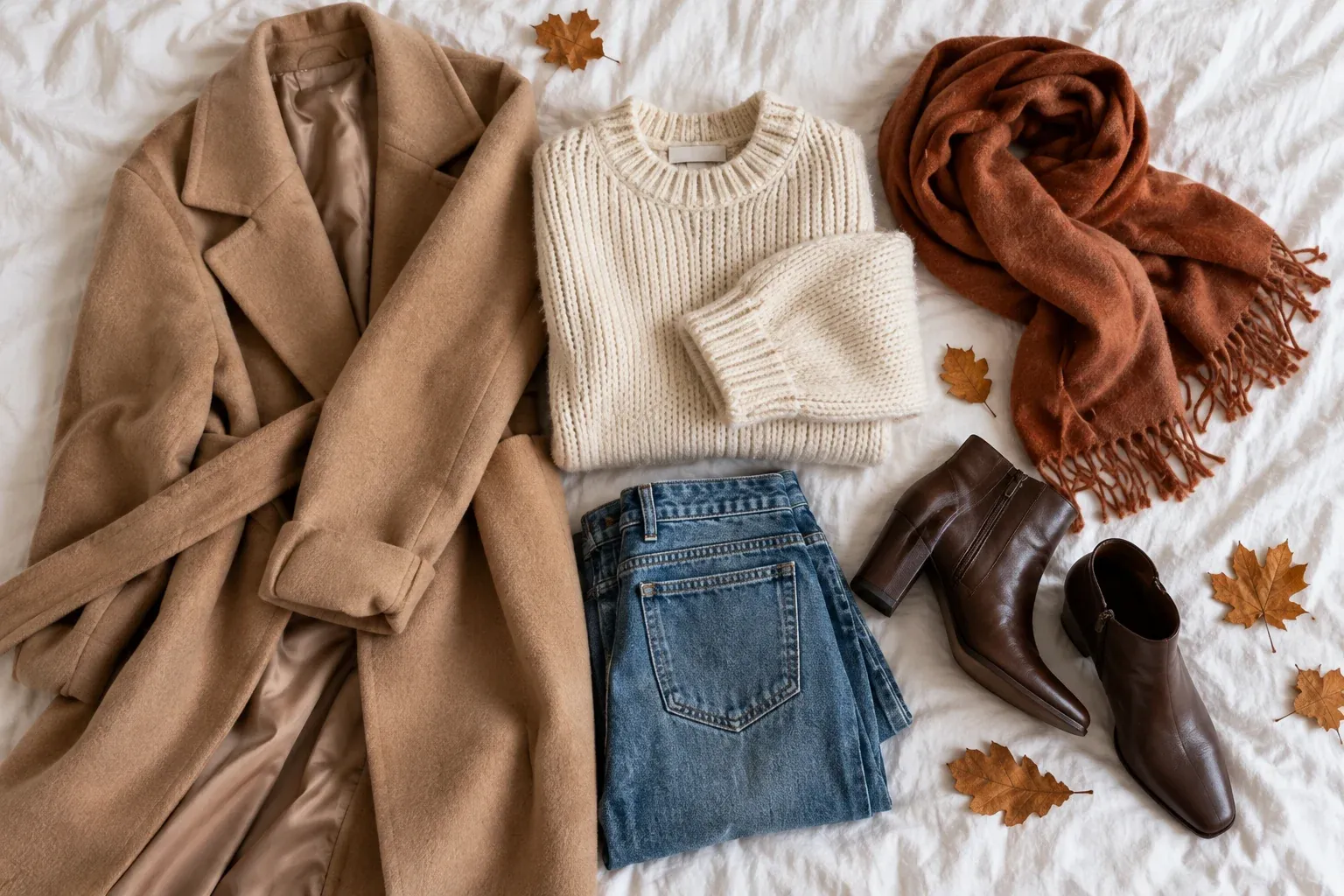
FallFall Capsule Wardrobe: The 30-Piece Checklist for Effortless Outfits
Thirty cozy, hard-working pieces, three color palettes and ten outfit formulas, so getting dressed this fall feels easy and you still look put together.
Read the story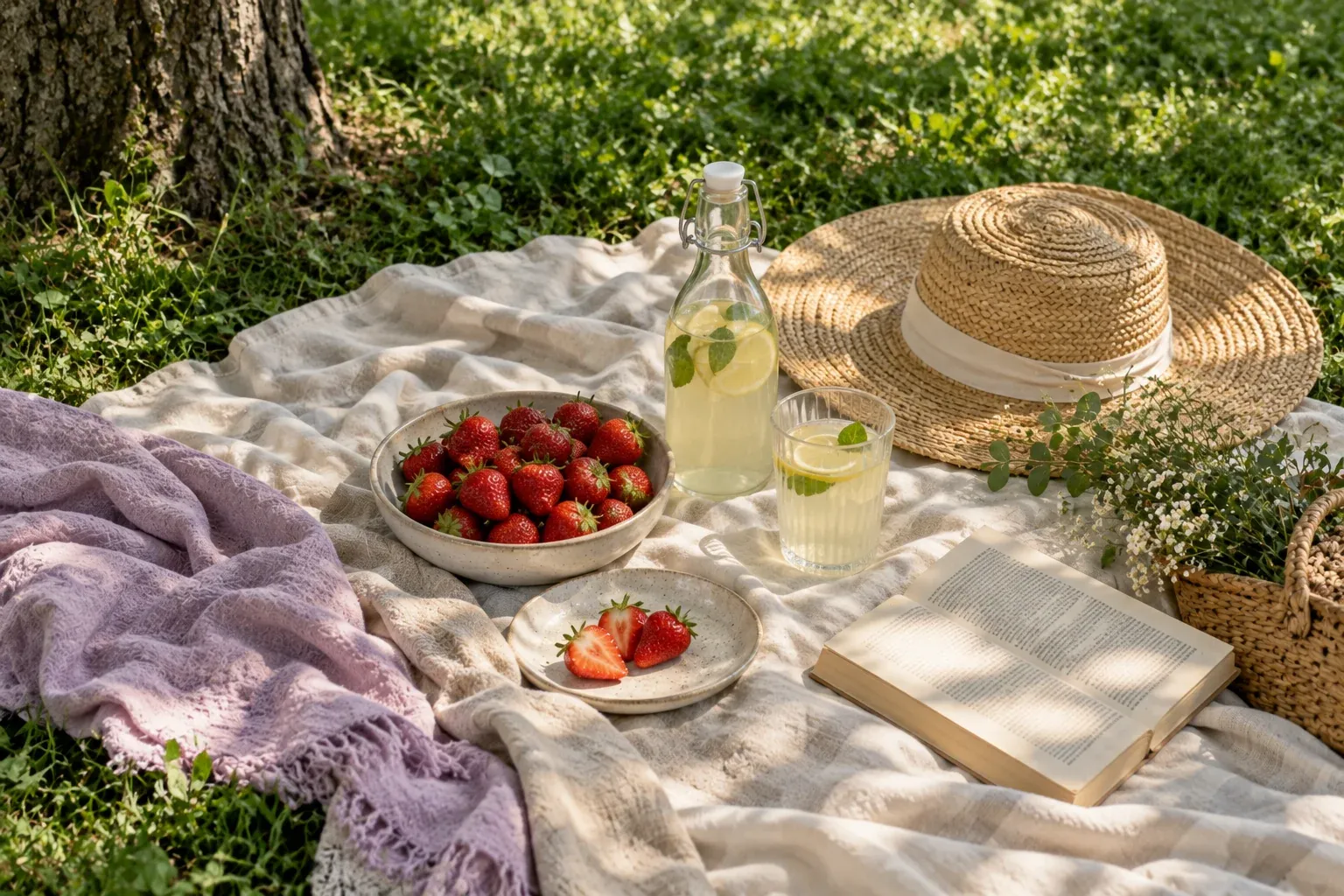 Summer
Summer Bucket List: 50 Ideas for the Best Summer Yet
Fifty joyful ideas for long, golden days: adventures, slow evenings, simple pleasures and little moments to remember.
Read the story