The Sleep Reset: 7 Evening Habits for Deeper Sleep
Seven simple, evidence-based evening habits to help you fall asleep faster and wake up feeling rested.
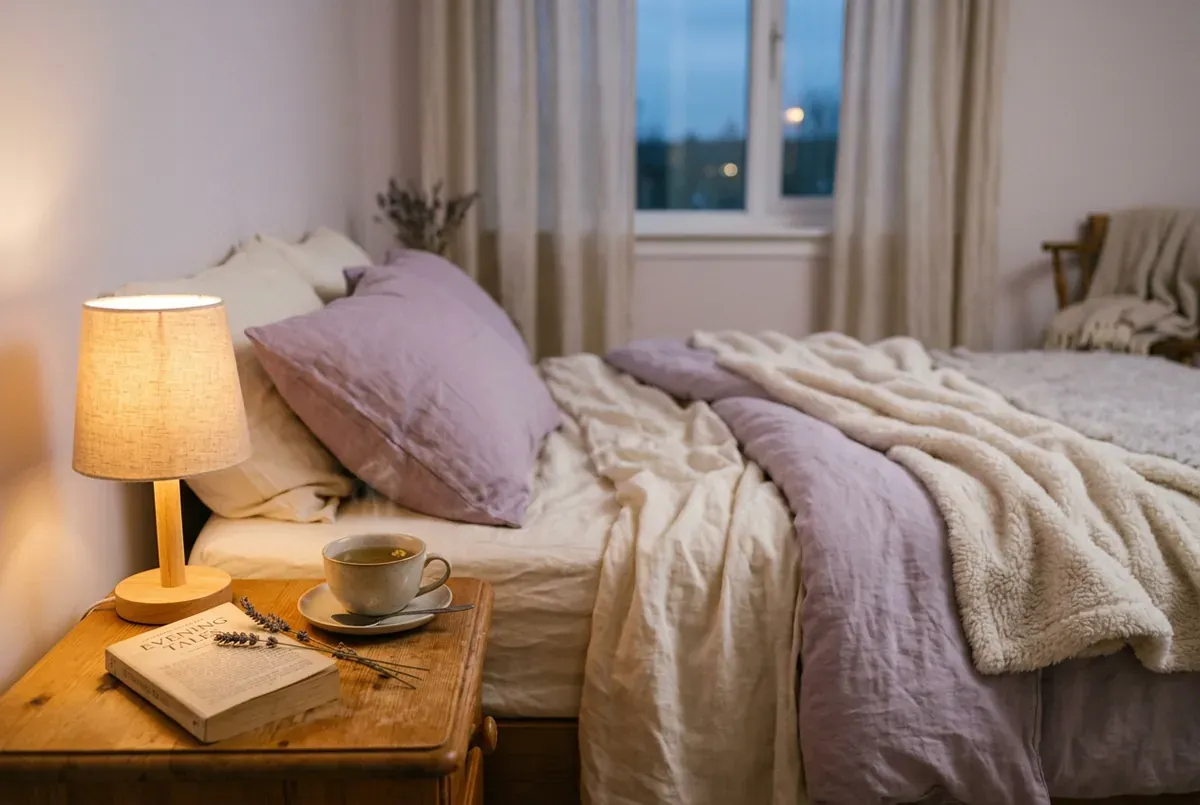
If you lie awake at night scrolling, or wake up tired after eight hours in bed, you are far from alone. About a third of adults don’t get the sleep they need. The good news is that learning how to sleep better often starts with small changes to your evening, long before your head touches the pillow.
Here are seven evidence-based habits to build a calm bedtime routine, plus what to do when sleep still won’t come.
How much sleep do you really need?
Most adults need seven or more hours a night. Quality matters as much as quantity: deep sleep helps your body repair, and REM sleep supports memory and mood. Waking often, or feeling unrefreshed, is a sign your evenings may need some care.
How to sleep better: 7 evening habits for deeper sleep
1. Keep the same wake-up time, every day
It sounds like a morning tip, but it is the foundation of good sleep. A consistent wake time, even at weekends, sets your body clock and makes you naturally sleepy at the same time each night. Aim to keep it within an hour.
2. Stop caffeine by early afternoon
Caffeine can stay in your system for many hours. A 3 pm latte can still be working at bedtime, even if you fall asleep fine. Try making noon your cut-off for a week and notice the difference.
3. Dim the lights after sunset
Bright light in the evening tells your brain it is still daytime and delays the release of melatonin. Switch to lamps, use warm bulbs and turn screens to night mode. Candlelight is a lovely bonus.
4. Create a 30-minute wind-down ritual
Your brain needs a bridge between a busy day and sleep. Pick two or three calming activities and do them in the same order each night:
- a warm shower or bath
- gentle stretching or legs-up-the-wall
- reading a paper book
- skincare done slowly, without rushing
- a short journal entry or to-do list for tomorrow
Writing down tomorrow’s tasks takes them out of your head. One study found people who wrote a to-do list before bed fell asleep faster than those who wrote about completed tasks.
5. Make your bedroom cool, dark and quiet
A slightly cool room, around 60–67°F (16–19°C), suits most people. Blackout curtains or an eye mask and earplugs or white noise can make a big difference, especially in the city.
6. Put your phone to bed before you
Scrolling keeps your mind alert and makes “just five more minutes” easy. Charge your phone outside the bedroom and use a simple alarm clock. If that feels too much, start by keeping it out of reach for the last 30 minutes.
7. Go easy on alcohol and late meals
A glass of wine can make you drowsy, but alcohol fragments sleep later in the night. Heavy meals close to bedtime can cause reflux. Try to finish dinner two to three hours before bed.
Sleep hygiene tips for when you can’t fall asleep
- Don’t watch the clock. Turn it away from you.
- Get up if you are awake for more than about 20 minutes. Sit in dim light and read until you feel sleepy, then go back to bed. This teaches your brain that bed is for sleep.
- Try slow breathing. Breathe in for four counts and out for six for a few minutes. A longer exhale helps your body relax.
- Avoid long naps. If you nap, keep it under 20–30 minutes and before mid-afternoon.
What to eat and drink for better sleep
What you have in the evening can help or hinder your sleep.
- Choose a balanced dinner with protein, vegetables and some complex carbohydrates, such as salmon with potatoes and greens or a lentil curry with rice.
- If you’re hungry later, a small snack like a banana, a few nuts or yoghurt is better than going to bed hungry.
- Caffeine hides in more places than coffee: tea, cola, energy drinks and dark chocolate all contain some.
- Calming drinks such as chamomile tea or warm milk can be a soothing part of a ritual, even if their direct effect on sleep is modest.
- Drink most of your water earlier in the day to avoid waking up for the bathroom.
Daytime habits that improve sleep
Good nights start in the morning.
- Get daylight early. Ten to twenty minutes of outdoor light in the morning helps set your body clock, even on cloudy days.
- Move your body. Regular exercise helps you fall asleep faster and sleep more deeply. Try to finish intense workouts a few hours before bed.
- Manage stress during the day. Short breaks, walks and time to process your thoughts mean fewer worries chasing you at night.
A sample bedtime routine
9:00 pm: lights low, phone on charge in the kitchen 9:15 pm: warm shower and slow skincare 9:35 pm: stretch for one song, write tomorrow’s list 9:45 pm: read in bed until sleepy 10:15 pm: lights out
Adjust the times to fit your life. Consistency matters more than the exact schedule.
Sleep, hormones and your cycle
Many women sleep worse in the days before their period and during perimenopause. If that sounds familiar, our guides to cycle syncing and early perimenopause symptoms explain why and what helps.
When to see a doctor
Speak to a doctor if poor sleep lasts more than a few weeks, if you snore loudly or someone notices you stop breathing at night, or if you feel very sleepy during the day. Insomnia is very treatable. Cognitive behavioral therapy for insomnia (CBT-I) is the recommended first treatment and often works better than sleeping pills in the long run.
Frequently asked questions
How can I fall asleep faster?
Keep a consistent wake time, avoid caffeine after noon, dim the lights in the evening and follow the same short wind-down ritual every night. Your body learns the cue.
Is it bad to use my phone in bed?
It can be. Scrolling keeps your brain engaged and the light delays melatonin. If you can, charge your phone outside the bedroom.
Does magnesium help you sleep?
Some people find magnesium relaxing, but evidence is mixed. Speak to a pharmacist or doctor before starting any supplement.
The takeaway
Better sleep is rarely about one magic trick. It is a handful of small evening habits, repeated until they feel automatic. Pick two from this list, try them for two weeks, and add more once they stick. Your mornings will thank you.
This article is for general information and is not medical advice.
You might also love
 Winter
How to Beat the Winter Blues: 15 Gentle Ways to Feel Brighter
Shorter days can dim your mood. These fifteen gentle habits help you bring more light, warmth and energy into the darkest months.
Read the story
Cycle Syncing 101: How to Eat, Move and Rest With Your Cycle
What each phase of your cycle means, how to adjust movement, food and rest, and what the research actually says.
Read the story